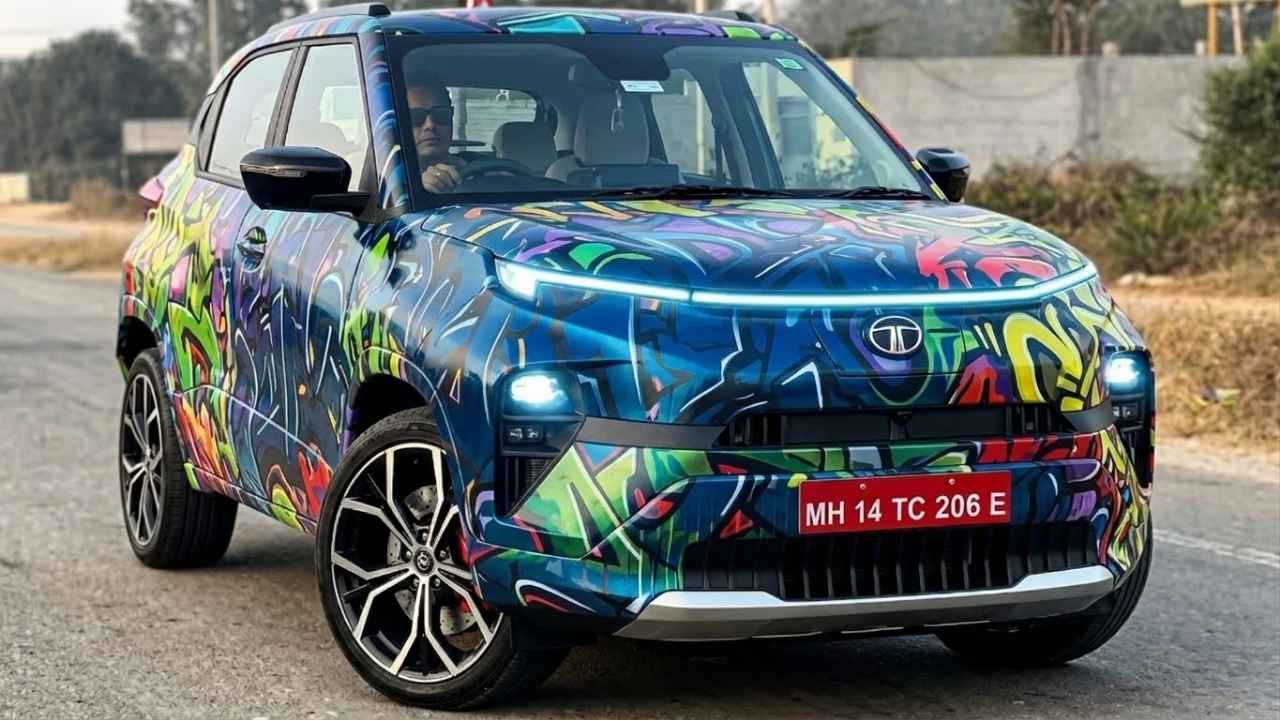
Tata Punch EV 2026 is trending among low-salary and middle-class buyers because it addresses three critical numbers: 350Km range, ₹1.20 lakh down payment, and EMI planning. These figures directly connect with affordability, daily usability, and monthly salary cycles. Families are calculating commuting days per charge, monthly loan outgo, and running costs compared to petrol, which is why the Punch EV is gaining attention as a relief option for budget-conscious households.
Compact SUV Design For Daily Life
The Punch EV’s compact SUV design makes it practical for Indian cities. It offers better visibility, usable boot space, and comfortable rear seating, all of which matter for families managing school runs, groceries, and weekend trips. Ride quality over potholes, predictable steering, and stable braking are expected to be prioritized over luxury, making it suitable for everyday routines.
Tata Punch EV 2026 Key Highlights
| Aspect | Expected Details |
|---|---|
| Range | 350Km per charge, practical for daily commuting |
| Down Payment | ₹1.20 lakh entry affordability |
| EMI | ₹18,100–₹20,600 per month depending on price and tenure |
| Design | Compact SUV stance, higher seating, family-friendly cabin |
| Charging | Home socket overnight charging, fewer weekly sessions |
| Performance | Smooth 0–50Km/h pickup, stable 70–90Km/h highway feel |
| Safety | ABS, braking stability, warranty clarity, service reach |
| Price Range | ₹12–13.5 lakh expected on-road |
Range And Charging Planning
A 350Km range changes charging habits significantly. At 25Km daily usage, it equals about 14 days per charge, while at 40Km daily usage it equals nearly 9 days. Real-world range will vary with traffic, AC usage, and load, but overnight home charging through a normal socket is expected to be the most practical solution for low-salary buyers.

Performance For City Roads
Performance expectations focus on smooth pickup in traffic, confident overtakes at 40–70Km/h, and stability at 70–90Km/h for short highway stretches. Braking confidence is crucial due to EV weight, ensuring safe stops with passengers and luggage. The emphasis is on calm control and low fatigue rather than high-speed thrills.
Features And Safety Value
Practical features like a clear display, accurate range readouts, efficient AC, and stable regenerative braking are expected. Safety upgrades include ABS, strong tyre grip, and predictable chassis behavior during emergency stops. Warranty clarity and service network reach are vital for low-salary households, as downtime directly impacts income.
Price, Down Payment, And EMI Math
With an expected on-road price between ₹12–13.5 lakh, the ₹1.20 lakh down payment makes entry possible for many families. EMI calculations suggest ₹18,100–₹20,600 per month depending on loan size and tenure. Running costs are expected around ₹1–₹1.5 per Km, meaning 1,000Km monthly commuting could cost just ₹1,000–₹1,500 in electricity far lower than petrol expenses.

Final Verdict
The Tata Punch EV 2026 is positioned as a practical, affordable EV for Indian families. With its strong range, manageable down payment, and predictable EMI math, it offers relief to buyers who want EV savings without luxury-car pricing.
Disclaimer
All details are based on current discussions and market expectations. Official specifications, pricing, and EMI plans will be confirmed by Tata Motors at the official launch.